Not known Facts About Bed Bug Services
Table of ContentsHow Bed Bug Services can Save You Time, Stress, and Money.Things about Bed Bug Services8 Easy Facts About Bed Bug Services ShownFacts About Bed Bug Services Uncovered
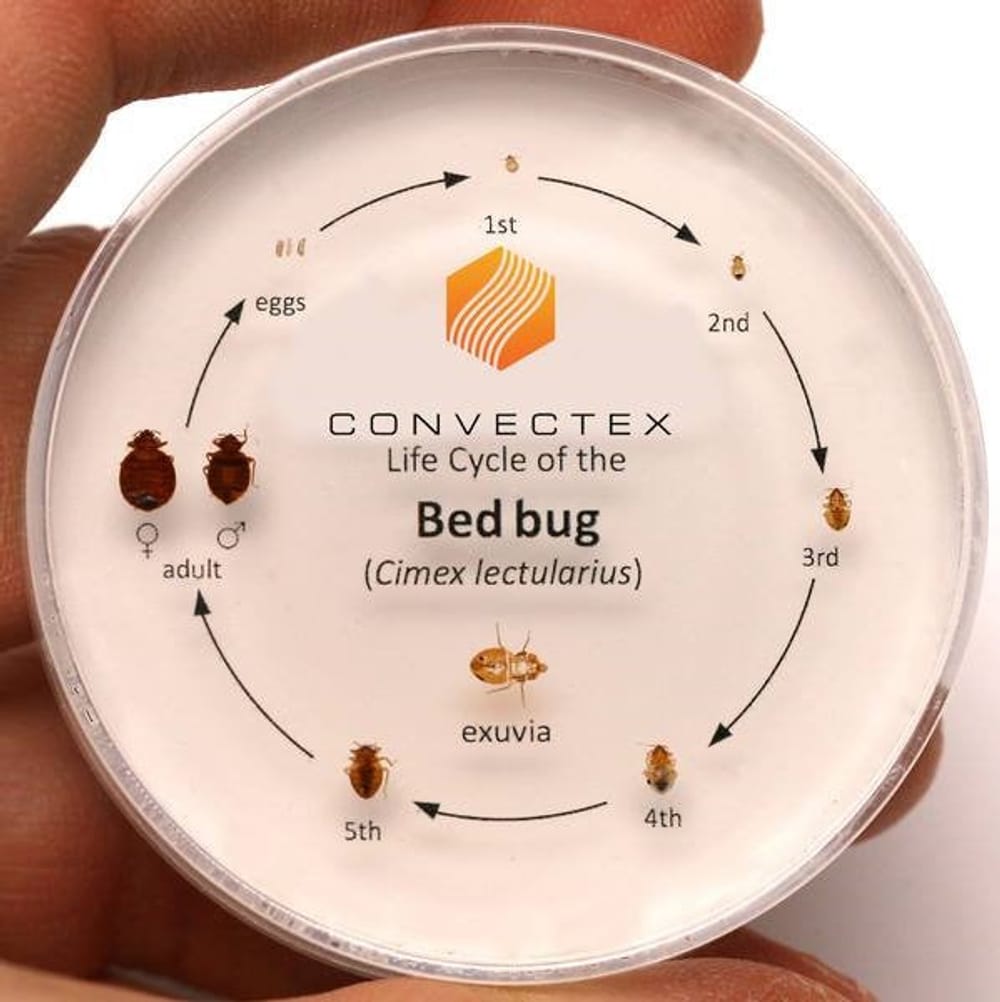
An expert-conducted bed bug inspection is a meticulous process and relies on expertise. Bed bugs are tiny, quick, and skilled at concealing themselves that seek cracks, crevices, and furniture seams. Because of their hidden habits, meticulous assessment is critical to determine the presence and extent of an infestation. Professional inspectors use a combination of tools, procedures, and knowledge to locate pests effectively, reducing the risk of escalation.The first step in any professional inspection involves knowing the habits and life cycle of bed bugs. Bed bugs belong to the order Hemiptera and undergo a life cycle that includes eggs, nymph stages, and adulthood. Adults are typically small, oval-shaped, reddish-brown, wingless, and equipped with long legs and antennae. Their mouthparts are designed to pierce skin and extract blood, often causing red, itchy welts on hosts. Knowing these traits helps inspectors anticipate hiding spots.
Early detection is essential for preventing large infestations. Professionals search for telltale signs such as dark spots of fecal matter, molted skins, and eggs (Bed Bug Services). Even one female can produce dozens of eggs quickly, resulting in serious outbreaks. Evidence of discarded skins and eggs signals ongoing activity and requires prompt inspection
Preparing for an inspection demands meticulous preparation. Inspectors often advise removing items that block access, which facilitates examination of hard-to-reach areas. Bedding and linens may be cleaned thoroughly and sealed in plastic bags, and then secured until the inspection is complete. Wall decor, mirrors, and pictures should be taken down to inspect behind frames. Vacuuming furniture and floors may capture visible bugs and eggs, and vacuum bags should be discarded carefully to avoid spreading.
Bed Bug Services for Dummies
The inspection itself is methodical and detailed. Inspectors focus on sleeping areas like beds, view it headboards, and mattresses, looking closely at creases, joints, and folds. Upholstered furniture, including couches and chairs, is scrutinized to reveal any hidden pests. Baseboards, moldings, the edges of wall-to-wall carpeting, electrical outlets, closets, and storage areas are also included in the inspection, as these can be common harborage sites.
Specialized tools enhance detection accuracy. Flashlights, magnifying lenses, multi-tools, and mirrors provide visibility in crevices and corners. Monitoring devices like interceptor traps or sticky pads allow ongoing monitoring of pest activity. Some companies bring in canine teams, which detect even small infestations, distinguishing them from official statement non-active traces.

Meticulous documentation is essential. Inspectors record the locations of evidence, severity of infestation, and treatment recommendations. This supports transparency and offers proof of inspection. Residents are often advised not to remove blood-stained sheets or vacuum infested areas, as this ensures accurate results.
After inspection, a monitoring plan may be implemented to follow up on findings. Continuous monitoring identifies surviving insects after treatment, and interviews with household members supplements physical inspection. Cooperation from residents enhances detection.
All about Bed Bug Services

Professional inspections are more reliable than self-inspections. Trained inspectors recognize early evidence of bed bugs, ensure the correct pest is addressed, and confirm the situation accurately.
Bed bug inspections are particularly important in hotels, dormitories, multi-unit apartments, and senior living facilities. Inspectors check neighboring rooms and shared spaces to ensure the infestation is fully mapped (Bed Bug Services). This prevents escalation and reduces treatment costs
In summary, a professional bed bug inspection includes identifying the pest, readying the environment, inspecting meticulously, employing tools, maintaining records, and ongoing monitoring. Each step supports early detection, informs treatment, and reduces future risk.
Unknown Facts About Bed Bug Services
